


Blog
Most Absorbent Bath Mat 2026: B2B Lab Test Comparison

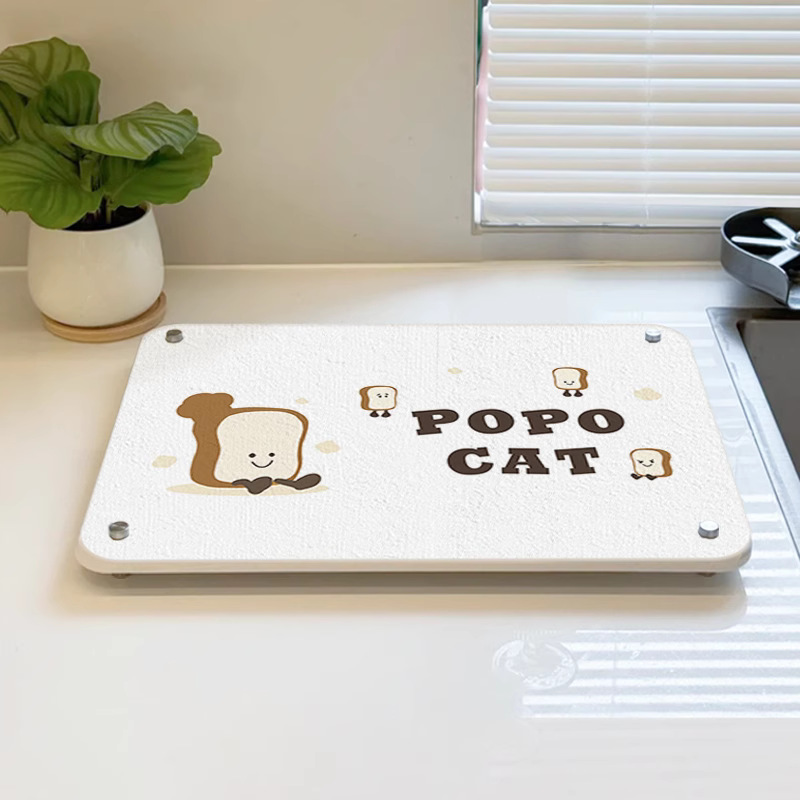
Short Answer
Next step: compare wholesale pricing by volume tier.
Whether you are sourcing for retail or wholesale, bathroom faucet mat to see customization options and factory-direct pricing.
Verdict: There are two distinct ways to measure absorbency in bath mats — how much water a mat can hold, and how fast it can remove water from the surface. Cotton and microfiber mats hold the most water (high capacity), but they stay wet for hours. Diatomite stone bath mats absorb water differently: their microscopic pore structure pulls moisture away from the surface almost instantly and evaporates it quickly through its porous structure. If you define an absorbent bath mat as one that keeps the surface dry and usable, diatomite stone is the top performer. This guide breaks down absorbency by material type, explains the difference between water retention and water removal, and helps you pick the right water absorbing bath mat for your needs.
What Does “Absorbent” Mean for a Bath Mat?
When people search for an absorbent bath mat, they are usually trying to solve a specific problem: a wet, slippery bathroom floor after a shower. But absorbency is not a single property — it breaks down into two distinct measurements that matter for different reasons:
- Absorption capacity — how much total water a mat can hold before it becomes saturated. This is measured in grams of water per gram of material. Cotton and microfiber score highest here, often holding 5–8 times their own weight in water.
- Absorption speed — how quickly water moves from the surface into the material. This determines whether your feet feel dry the moment you step on the mat. Diatomite stone mats excel at this, pulling water away within seconds.
- Evaporation rate — how fast the absorbed water leaves the mat and returns to the air. This is where diatomite separates itself from all fabric-based mats: water evaporates from stone mats quickly, while fabric mats can take hours.
A mat with high capacity but slow evaporation creates a damp surface that breeds bacteria and odors. A mat with moderate capacity but near-instant evaporation stays dry. Understanding this distinction is the key to choosing the right water absorbing bath mat — not just the one that holds the most water, but the one that best matches your bathroom conditions and usage patterns.
For a deep look at why drying speed matters, see our article on the fastest drying bath mat types and how they compare.
Diatomite Stone Bath Mats — Surface-Dry Absorbency
Next step: partner with our established in 2023 ISO-certified factory.
For detailed specifications and wholesale pricing, our diatomite bath mat collection.
Diatomite (stone) bath mats work on a fundamentally different absorbency mechanism than fabric mats. Rather than soaking water into fibers and holding it there, diatomite uses capillary action to pull water through millions of microscopic pore channels where it spreads out and evaporates rapidly.
Key absorbency characteristics of diatomite mats:
- Absorption speed: Within seconds. Water disappears from the surface almost on contact. This is faster than any fabric mat because the pore structure creates strong capillary suction.
- Absorption capacity: Moderate. Because the water evaporates quickly, the mat is effectively ready for the next use within seconds under normal ventilation.
- Surface feel: Dry to the touch almost immediately after use. No lingering dampness, no cold-wet sensation when stepping on the mat a second time.
- Odor resistance: Because water does not remain trapped inside the material, the damp conditions that cause bacterial growth and musty smells are dramatically reduced compared to fabric mats.
The tradeoff is that diatomite mats are rigid — they do not provide the soft, cushioned feel of a cotton or foam mat. But for users who prioritize a genuinely dry surface, they are the most effective water absorbing bath mat option on the market. For more on how stone mats achieve their fast drying, read why stone bath mats dry faster than fabric mats.
Cotton Bath Mats — High-Capacity Absorption
Cotton bath mats are the traditional standard for absorbency. Natural cotton fibers are hydrophilic — they attract and hold water molecules — which gives them excellent absorption capacity.
Key absorbency characteristics of cotton mats:
- Absorption speed: 3–10 seconds. Water soaks into the fibers relatively quickly, especially on loop-pile or terry surfaces.
- Absorption capacity: Very high — quality cotton mats can hold 5–8× their dry weight in water. This makes them effective at catching large amounts of water from a shower exit.
- Surface feel: Soft and warm underfoot initially, but becomes damp and cool within minutes as the absorbed water saturates the fibers. After one heavy use, the mat can feel wet for hours.
- Drying time: 2–6 hours under good ventilation; longer in humid bathrooms. This is the primary drawback — cotton holds water so well that it releases it slowly.
- Maintenance: Requires machine washing every 5–7 days to prevent odor and bacteria buildup. Fabric softeners reduce absorbency over time and should be avoided.
Cotton is a solid choice for bathrooms with excellent ventilation and for users who want a soft, plush feel. However, it is not a fast drying bath mat, and in humid bathrooms it can develop persistent dampness issues.
Microfiber Bath Mats — Fast Absorption, Slow Drying
Microfiber mats are made from synthetic fibers (typically polyester and polyamide) that are split into ultra-fine strands — often less than 1 denier in thickness. The split-fiber structure creates a large surface area that wicks water away quickly.
Key absorbency characteristics of microfiber mats:
- Absorption speed: 1–3 seconds. Microfiber wicks water quickly due to its capillary action between the fine fibers. In terms of speed, it is second only to diatomite stone.
- Absorption capacity: High — 5–7× dry weight. Microfiber can hold nearly as much water as cotton.
- Surface feel: Soft and slightly suede-like. Feels dry to the touch for the first few uses, but saturates after absorbing significant water.
- Drying time: 30–60 minutes under good ventilation. Faster than cotton due to the synthetic fibers’ lower water retention, but still far slower than diatomite.
- Maintenance: Machine washable, but avoid fabric softeners and high heat drying which can melt or damage the fine fibers.
Microfiber is a practical middle ground — faster to absorb and dry than cotton, softer than stone. It works well in moderate-humidity bathrooms and for households that do not mind occasional washing.
Memory Foam Bath Mats — Cushioned Absorption
Memory foam bath mats have gained popularity for their plush, spa-like feel. They use open-cell polyurethane foam with a microfiber or velour top layer.
Key absorbency characteristics of memory foam mats:
- Absorption speed: 5–15 seconds. The top fabric layer absorbs first, then water gradually seeps into the foam core.
- Absorption capacity: Very high — foam can hold 8–10× its dry weight. This sounds impressive, but it is also the mat’s biggest weakness: all that retained water takes a long time to leave.
- Surface feel: Exceptionally soft and cushioned. The most comfortable option for standing.
- Drying time: 4–8 hours. Memory foam is the slowest-drying of all bath mat materials. The dense foam core traps moisture deep inside where airflow cannot reach it.
- Durability concern: Prolonged moisture exposure can cause the foam to break down, develop permanent indentations, or harbor mold in the core — an issue that is difficult to detect until odor becomes noticeable.
Memory foam mats prioritize comfort over practical absorbency. They are best suited to bathrooms with powerful exhaust fans and users willing to wash and replace them regularly.
Absorbency Comparison: All Materials Side by Side
| Material | Absorption Speed | Absorption Capacity | Surface Dry Time | Odor Resistance | Softness |
|---|---|---|---|---|---|
| Diatomite Stone | Within seconds | Moderate | Seconds | Excellent | Hard / firm |
| Microfiber | 1–3 seconds | 5–7× weight | 30–60 minutes | Good | Soft / suede-like |
| Cotton | 3–10 seconds | 5–8× weight | 2–6 hours | Moderate | Soft / plush |
| Memory Foam | 5–15 seconds | 8–10× weight | 4–8 hours | Poor | Very soft |
| Bamboo | 5–8 seconds | 2–3× weight | 1–3 hours | Good | Firm / smooth |
| Rubber / PVC | 0 (non-absorbent) | None | N/A | Excellent | Firm / textured |
Note that rubber and PVC mats are not absorbent at all — water pools on their surface and must be wiped away or left to evaporate. They serve a different purpose (slip resistance) and are not suitable for drying feet.
How to Choose the Best Absorbent Bath Mat
Choosing the right water absorbing bath mat depends on your specific bathroom conditions and priorities. Here is a practical decision framework:
- If your top priority is a dry surface: Choose a diatomite stone bath mat. No other material removes water from the surface and evaporates it as quickly. This is especially important in shared bathrooms used by multiple people in quick succession.
- If you want softness and are willing to wash weekly: Cotton or microfiber mats offer the plush feel that stone cannot provide. Accept that the mat will feel damp between uses and plan to machine wash it regularly.
- If your bathroom has poor ventilation: Diatomite stone is the safest choice. Fabric mats in humid bathrooms can develop persistent odor problems and may encourage mold growth underneath. Read more about whether stone bath mats can grow mold for a comparison.
- If you run a hotel or rental property: Diatomite mats are the most practical option. They do not require washing between guests, dry almost instantly, and maintain a clean, premium appearance with minimal housekeeping effort.
- If you have mobility concerns: Memory foam provides the softest, most forgiving surface for standing. The tradeoff in drying speed and maintenance may be worthwhile if comfort is the primary need.
Many households find that a combination works best — a diatomite drying mat directly outside the shower for immediate water absorption, with a softer cotton mat further away for comfort.
Wholesale and OEM Water Absorbing Bath Mats
For businesses sourcing absorbent bath mats in bulk — whether for retail, hospitality, or branded merchandise — diatomite stone mats offer several commercial advantages over fabric alternatives:
- Lower return rates: Fabric mats frequently generate returns due to odor complaints, slow drying, and premature wear. Stone mats have fewer failure points and more predictable performance, reducing customer service costs.
- Premium positioning: Diatomite mats command higher retail prices than fabric mats ( vs. ), creating better margins for brands and retailers.
- Customization options: OEM manufacturers offer custom shapes, sizes, surface textures, printed logos, and branded packaging. Custom-shaped diatomite mats are particularly effective for brand differentiation.
- Hospitality durability: In hotel settings, diatomite mats outlast fabric mats by 3–5×, withstand daily use without washing, and maintain a consistent appearance across hundreds of guest stays.
- Related product categories: Diatomite material extends beyond bath mats — faucet splash mats, kitchen drying mats, pet feeding mats, and soap dishes create natural cross-sell opportunities.
As a direct manufacturer of diatomite products, Sheenyoo provides OEM and ODM services with flexible MOQs, custom design support, and international shipping. Visit our bathroom mats collection or contact us for wholesale pricing and samples.
Frequently Asked Questions
What is the most absorbent bath mat material?
It depends on how you define absorbency. For total water capacity, memory foam and cotton hold the most water (up to 8–10× their dry weight). For surface dryness — how fast water disappears from the top surface — diatomite stone is the clear winner, absorbing surface water within seconds and evaporating it quickly through evaporation.
How do I know if a bath mat is absorbent enough for my bathroom?
Consider how many people use the bathroom and how humid it gets. A single-user bathroom with good ventilation can work well with any absorbent mat. For shared bathrooms or humid spaces, choose a mat that dries quickly between uses — diatomite stone or microfiber. If the mat stays damp for more than an hour after use, it is likely not absorbent enough for your conditions.
Why does my absorbent bath mat smell bad even after washing?
Persistent odor usually means the mat is retaining moisture in its core or backing material where washing cannot reach. Cotton and foam mats are especially prone to this — water and soap residue penetrate deep into the fibers and support bacterial growth. Switching to a diatomite stone mat eliminates this issue because water evaporates through the material rather than being trapped inside it.
Can I use an absorbent bath mat on a heated floor?
Diatomite stone mats work well on heated floors — the warmth actually accelerates evaporation. Fabric mats can also be used, but avoid rubber-backed mats as the heat may cause the backing to degrade or release odors. Always check the manufacturer’s temperature rating before placing any mat on a heated floor.
How often should I replace a water absorbing bath mat?
Cotton and microfiber mats typically need replacement every 6–12 months with regular use. Memory foam mats may last 12–18 months before the foam breaks down. Diatomite stone mats last significantly longer, with service life depending on thickness, usage intensity, and maintenance. Light surface sanding every few months restores the pore structure and extends the mat’s useful life.