


Blog
Bath Mat vs Bath Rug: Stone Bath Mat Guide for B2B Buyers

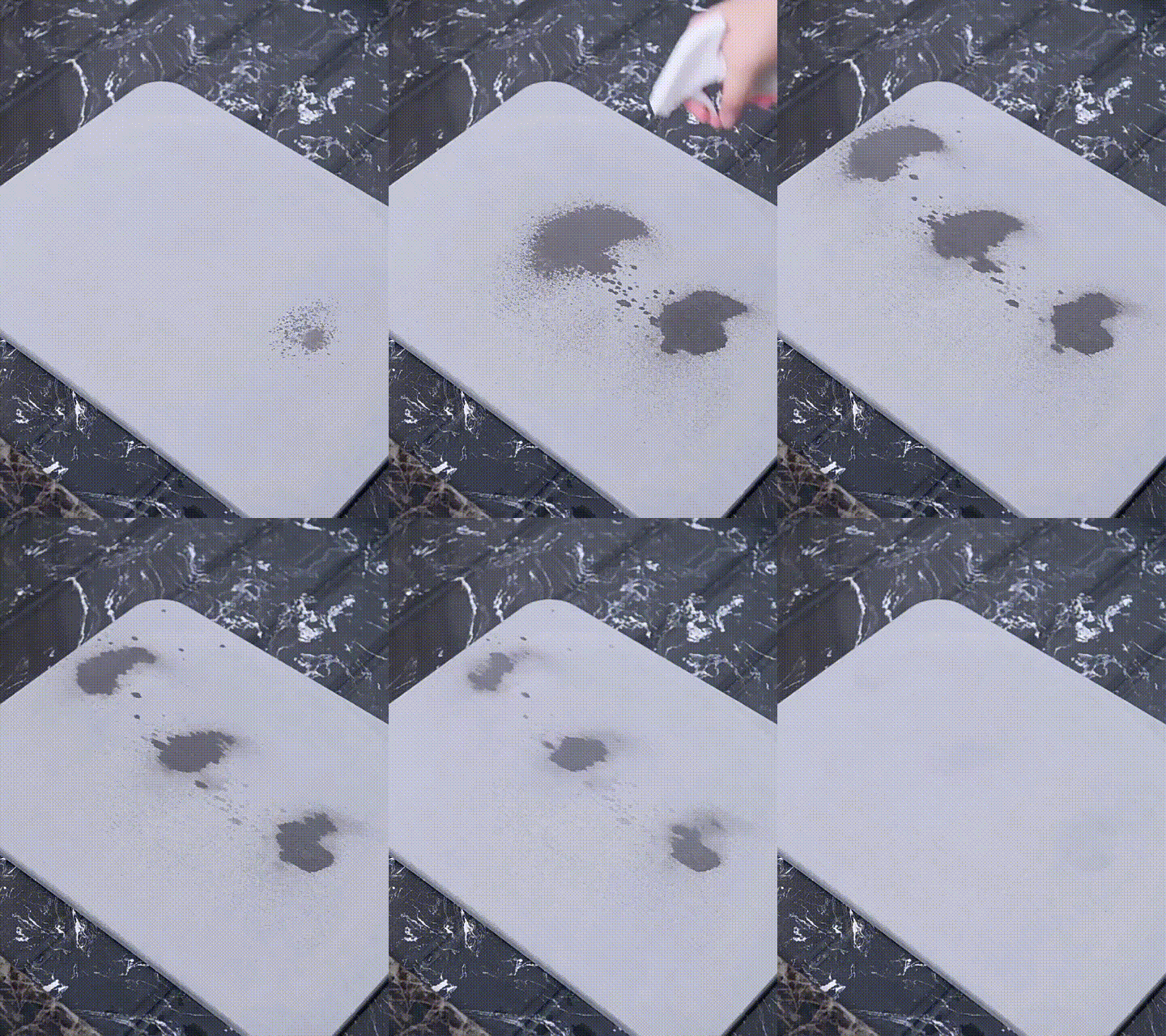
Bath Mat vs Bath Rug. For more details, see our guide on Bath Mat vs Bath Rug.
Key Takeaways
- Performance advantage: Diatomite outperforms competing materials in moisture absorption, drying speed, and odor control — key factors for end-user satisfaction and repeat purchases.
- Long-term value: While diatomite products may have a higher upfront cost, their extended lifespan and low maintenance deliver superior ROI for both retailers and end consumers.
- B2B sourcing advantage: Sheenyoo factory-direct OEM programs offer competitive wholesale pricing, flexible MOQ, and full custom branding — giving retailers a distinct market edge.
Related Comparisons
- Bath Mat vs Bath Rug: Which Is Better for Your Bathroom in 2026?
- Diatomite Mat vs Memory Foam Bath Mat: The Ultimate 2026 Comparison for B2B Buyers
- Rubber Bath Mat vs Diatomite Stone Mat: Complete Material Comparison
- Stone Bath Mat vs Bamboo Bath Mat: Which Is Better in 2026?
- Stone Bath Mat vs Memory Foam Bath Mat: Retailer Buying Guide 2026
Bath Mat vs Bath Rug: The Commercial Difference
Next step: discover how our QC lab tests every shipment.
Whether you are sourcing for retail or wholesale, browse diatomite bath mat options to see customization options and factory-direct pricing.
For hotel chains, gyms, spas, and home-goods retailers, the choice between a bath mat and a bath rug is more than a design detail. It affects guest safety, housekeeping costs, hygiene audits, and product returns. A bath mat is built to absorb water and stop slips at the shower exit. A bath rug is a soft textile meant for comfort and visual warmth, often used in front of vanities or across larger dry floors. When the wrong product is placed in a wet zone, the result is saturated fabric, mildew odors, and an increased risk of slip-and-fall incidents.
Diatomite stone bath mats solve this problem by combining the absorption and safety of a bath mat with a clean, modern look that fits premium commercial interiors. In this guide, we compare bath mats vs bath rugs from a B2B perspective, so buyers can specify the right product for each area and understand why diatomite stone bath mats are increasingly the preferred choice for commercial bathrooms.
What Is a Bath Mat vs a Bath Rug?
The terms are often used interchangeably, but the products serve different functions. A bath mat is a functional, absorbent floor covering designed for wet zones. It is typically smaller, placed directly outside the tub or shower, and built to trap water before it reaches the floor. A bath rug is a decorative textile. It is usually larger, softer, and placed in dry areas to add warmth and style.
In commercial settings, this distinction matters. Placing a bath rug at the shower exit will lead to a soaked, hazardous surface within minutes. Placing a bath mat in a vanity-only area may look sparse. The best hospitality designs use both: a diatomite stone bath mat where water lands, and a bath rug only in dry zones where guests stand barefoot at sinks or mirrors.
Material Comparison: Bath Mats vs Bath Rugs in Wet Environments
Performance Factor
Diatomite Stone Bath Mat
Rubber / Microfiber Bath Mat
Cotton / Chenille Bath Rug
Primary purpose
Absorb + prevent slips
Absorb / grip
Comfort + decor
Water absorption speed
Instant (porous mineral)
Slow to moderate
Fast initially, then saturates
Surface drying time
30–90 seconds
Minutes to hours
4–8 hours
Wet friction / slip resistance
High (0.70+ coefficient)
Moderate to high
Low when saturated
Mold and mildew resistance
Excellent (inorganic)
Poor under rubber edges
Poor (retains moisture)
Maintenance
Rinse and light sanding
Wipe, replace suction cups
Frequent machine washing
Commercial lifespan
3–5 years
1–2 years
6–12 months
Annual cost per room
Varies
Varies
Varies
The table shows why diatomite stone bath mats are replacing both rubber and fabric in commercial projects. They absorb water on contact, dry in seconds, and stay in place without suction cups or adhesive backing. For facilities with hundreds of bathrooms, this translates into lower replacement costs, reduced housekeeping labor, and fewer guest complaints about damp or musty floors.For a deeper dive into the drying and hygiene differences, see our which one truly keeps your bathroom dry and hygienic.
Why Diatomite Stone Bath Mats Outperform Bath Rugs in Commercial Settings
Next step: see why hotels choose our stone mats over fabric.
For detailed specifications and wholesale pricing, our diatomite bath mat collection.
Diatomite is a naturally porous sedimentary rock formed from fossilized algae. A diatomite stone bath mat can contain up to 90% open porosity, allowing it to pull water away from wet feet and release it through evaporation. This structure delivers four advantages that bath rugs cannot match:
- Continuous dryness. The mat surface resets to dry between guests, even during morning peak usage in hotels or gyms.
- Stable footing. Stone bath mats weigh 2–4 kg and rely on weight rather than adhesives, so they do not shift, curl, or bunch.
- Mold resistance. The inorganic mineral surface does not support mold or bacteria growth, a common failure point in fabric bath rugs.
- Lower lifecycle cost. With a 3–5 year lifespan and no laundry cycles, the total cost per room is lower than replacing and washing fabric rugs every few months.
For buyers, specifying a diatomite stone bath mat in wet zones is a risk-management decision. It reduces slip-and-fall exposure, cuts housekeeping workload, and supports higher hygiene scores in hospitality and wellness environments.
When a Bath Rug Still Makes Sense
Bath rugs are not obsolete. In dry vanity areas, guest bathrooms focused on luxury softness, or residential master suites, a plush bath rug adds comfort and warmth. However, they should be treated as a decorative textile, not a safety product. The best practice for commercial bathrooms is to pair bath rugs with absorbent stone bath mats: a bath mat at the shower exit and a bath rug in the dry zone. This split-zoning approach gives guests the tactile comfort they want while maintaining the safety and hygiene standards the business requires.
B2B Buying Checklist: Bath Mat vs Bath Rug
Use this checklist when sourcing bathroom floor products for hotels, gyms, spas, or retail ranges:
- Define the zone. Is the product for a wet exit area or a dry vanity area? Bath mats belong at the shower; bath rugs belong in dry zones.
- Check absorption rate. Request test data. A quality diatomite stone bath mat should absorb at least 0.8 g/cm² within 30 seconds.
- Evaluate slip resistance. Look for wet-barefoot test results that meet ASTM C1028, DIN 51097 Class C, or AS 4586.
- Compare lifecycle costs. Include replacement frequency, laundry costs, and labor in the calculation, not just unit price.
- Confirm customization options. Can the factory match colors, add logos, and provide branded packaging for your retail or hospitality brand?
- Ask for certifications. SGS material safety, and LFGB or FDA food-contact compliance are key for quality assurance.
For a deeper look at the material science behind these products, see our complete stone bath mat guide. If you are comparing other material options, our stone bath mat vs bamboo bath mat analysis covers another common alternative.
Continue Reading
FAQ
Is a bath mat the same as a bath rug?
No. A bath mat is designed to absorb water and provide slip resistance after bathing, usually placed directly outside the shower or tub. A bath rug is a larger, softer textile primarily used for comfort and decor, often placed in front of a vanity or across a larger bathroom floor area.
Do bath rugs absorb water?
Cotton and chenille bath rugs absorb some water, but they saturate quickly and can stay damp for hours. In high-traffic commercial bathrooms, this leads to odors, mildew, and frequent laundering. Diatomite stone bath mats absorb water instantly and release it through evaporation within minutes.
Are stone bath mats better than bath rugs?
For safety, hygiene, and total cost of ownership in commercial settings, diatomite stone bath mats are better. They dry faster, resist mold, require no laundry, and stay flat without curling. Bath rugs offer softness and decor but create maintenance and slip-risk challenges in hotels, gyms, and spas.
Which is better for hotels, a bath mat or a bath rug?
Hotels benefit from bath mats, especially diatomite stone bath mats, because they reduce slip hazards, housekeeping labor, and laundry costs. Bath rugs can be used in premium suites for comfort but should be paired with absorbent stone mats at wet-zone exit points.
Can a bath rug replace a bath mat?
A bath rug should not replace a bath mat in wet zones. It lacks the absorption speed and slip resistance needed right outside a shower or tub. For full coverage, use a diatomite stone bath mat at the shower exit and a bath rug only in dry vanity areas.
Source Diatomite Stone Bath Mats for Your Business
The bath mat vs bath rug decision comes down to function and location. In wet, high-traffic commercial bathrooms, diatomite stone bath mats deliver the safety, hygiene, and durability that bath rugs cannot provide. For retail buyers and hospitality procurement teams, they also offer strong margins, low return rates, and a clear sustainability story.
Sheenyoo manufactures diatomite stone bath mats for B2B buyers worldwide, with OEM customization, branded packaging, and consistent commercial-grade quality. Browse our Market & Buying Guide for more sourcing insights, view our stone bath mat product page for specifications, or request a wholesale quote today. You can also contact our sales team to discuss samples, MOQ, and lead times for your market.
Related Comparisons
- Bath Mat vs Bath Rug: Which Is Better for Your Bathroom in 2026?
- Diatomite Mat vs Memory Foam Bath Mat: The Ultimate 2026 Comparison for B2B Buyers
- Rubber Bath Mat vs Diatomite Stone Mat: Complete Material Comparison
- Stone Bath Mat vs Bamboo Bath Mat: Which Is Better in 2026?
- Stone Bath Mat vs Memory Foam Bath Mat: Retailer Buying Guide 2026
Bath Mat vs Bath Rug: The Commercial Difference
Next step: discover how our QC lab tests every shipment.
Whether you are sourcing for retail or wholesale, browse diatomite bath mat options to see customization options and factory-direct pricing.
For hotel chains, gyms, spas, and home-goods retailers, the choice between a bath mat and a bath rug is more than a design detail. It affects guest safety, housekeeping costs, hygiene audits, and product returns. A bath mat is built to absorb water and stop slips at the shower exit. A bath rug is a soft textile meant for comfort and visual warmth, often used in front of vanities or across larger dry floors. When the wrong product is placed in a wet zone, the result is saturated fabric, mildew odors, and an increased risk of slip-and-fall incidents.
Diatomite stone bath mats solve this problem by combining the absorption and safety of a bath mat with a clean, modern look that fits premium commercial interiors. In this guide, we compare bath mats vs bath rugs from a B2B perspective, so buyers can specify the right product for each area and understand why diatomite stone bath mats are increasingly the preferred choice for commercial bathrooms.
What Is a Bath Mat vs a Bath Rug?
The terms are often used interchangeably, but the products serve different functions. A bath mat is a functional, absorbent floor covering designed for wet zones. It is typically smaller, placed directly outside the tub or shower, and built to trap water before it reaches the floor. A bath rug is a decorative textile. It is usually larger, softer, and placed in dry areas to add warmth and style.
In commercial settings, this distinction matters. Placing a bath rug at the shower exit will lead to a soaked, hazardous surface within minutes. Placing a bath mat in a vanity-only area may look sparse. The best hospitality designs use both: a diatomite stone bath mat where water lands, and a bath rug only in dry zones where guests stand barefoot at sinks or mirrors.
Material Comparison: Bath Mats vs Bath Rugs in Wet Environments
| Performance Factor | Diatomite Stone Bath Mat | Rubber / Microfiber Bath Mat | Cotton / Chenille Bath Rug |
|---|---|---|---|
| Primary purpose | Absorb + prevent slips | Absorb / grip | Comfort + decor |
| Water absorption speed | Instant (porous mineral) | Slow to moderate | Fast initially, then saturates |
| Surface drying time | 30–90 seconds | Minutes to hours | 4–8 hours |
| Wet friction / slip resistance | High (0.70+ coefficient) | Moderate to high | Low when saturated |
| Mold and mildew resistance | Excellent (inorganic) | Poor under rubber edges | Poor (retains moisture) |
| Maintenance | Rinse and light sanding | Wipe, replace suction cups | Frequent machine washing |
| Commercial lifespan | 3–5 years | 1–2 years | 6–12 months |
| Annual cost per room | Varies | Varies | Varies |
The table shows why diatomite stone bath mats are replacing both rubber and fabric in commercial projects. They absorb water on contact, dry in seconds, and stay in place without suction cups or adhesive backing. For facilities with hundreds of bathrooms, this translates into lower replacement costs, reduced housekeeping labor, and fewer guest complaints about damp or musty floors.For a deeper dive into the drying and hygiene differences, see our which one truly keeps your bathroom dry and hygienic.
Why Diatomite Stone Bath Mats Outperform Bath Rugs in Commercial Settings
Next step: see why hotels choose our stone mats over fabric.
For detailed specifications and wholesale pricing, our diatomite bath mat collection.
Diatomite is a naturally porous sedimentary rock formed from fossilized algae. A diatomite stone bath mat can contain up to 90% open porosity, allowing it to pull water away from wet feet and release it through evaporation. This structure delivers four advantages that bath rugs cannot match:
- Continuous dryness. The mat surface resets to dry between guests, even during morning peak usage in hotels or gyms.
- Stable footing. Stone bath mats weigh 2–4 kg and rely on weight rather than adhesives, so they do not shift, curl, or bunch.
- Mold resistance. The inorganic mineral surface does not support mold or bacteria growth, a common failure point in fabric bath rugs.
- Lower lifecycle cost. With a 3–5 year lifespan and no laundry cycles, the total cost per room is lower than replacing and washing fabric rugs every few months.
For buyers, specifying a diatomite stone bath mat in wet zones is a risk-management decision. It reduces slip-and-fall exposure, cuts housekeeping workload, and supports higher hygiene scores in hospitality and wellness environments.
When a Bath Rug Still Makes Sense
Bath rugs are not obsolete. In dry vanity areas, guest bathrooms focused on luxury softness, or residential master suites, a plush bath rug adds comfort and warmth. However, they should be treated as a decorative textile, not a safety product. The best practice for commercial bathrooms is to pair bath rugs with absorbent stone bath mats: a bath mat at the shower exit and a bath rug in the dry zone. This split-zoning approach gives guests the tactile comfort they want while maintaining the safety and hygiene standards the business requires.
B2B Buying Checklist: Bath Mat vs Bath Rug
Use this checklist when sourcing bathroom floor products for hotels, gyms, spas, or retail ranges:
- Define the zone. Is the product for a wet exit area or a dry vanity area? Bath mats belong at the shower; bath rugs belong in dry zones.
- Check absorption rate. Request test data. A quality diatomite stone bath mat should absorb at least 0.8 g/cm² within 30 seconds.
- Evaluate slip resistance. Look for wet-barefoot test results that meet ASTM C1028, DIN 51097 Class C, or AS 4586.
- Compare lifecycle costs. Include replacement frequency, laundry costs, and labor in the calculation, not just unit price.
- Confirm customization options. Can the factory match colors, add logos, and provide branded packaging for your retail or hospitality brand?
- Ask for certifications. SGS material safety, and LFGB or FDA food-contact compliance are key for quality assurance.
For a deeper look at the material science behind these products, see our complete stone bath mat guide. If you are comparing other material options, our stone bath mat vs bamboo bath mat analysis covers another common alternative.
Continue Reading
FAQ
Is a bath mat the same as a bath rug?
No. A bath mat is designed to absorb water and provide slip resistance after bathing, usually placed directly outside the shower or tub. A bath rug is a larger, softer textile primarily used for comfort and decor, often placed in front of a vanity or across a larger bathroom floor area.
Do bath rugs absorb water?
Cotton and chenille bath rugs absorb some water, but they saturate quickly and can stay damp for hours. In high-traffic commercial bathrooms, this leads to odors, mildew, and frequent laundering. Diatomite stone bath mats absorb water instantly and release it through evaporation within minutes.
Are stone bath mats better than bath rugs?
For safety, hygiene, and total cost of ownership in commercial settings, diatomite stone bath mats are better. They dry faster, resist mold, require no laundry, and stay flat without curling. Bath rugs offer softness and decor but create maintenance and slip-risk challenges in hotels, gyms, and spas.
Which is better for hotels, a bath mat or a bath rug?
Hotels benefit from bath mats, especially diatomite stone bath mats, because they reduce slip hazards, housekeeping labor, and laundry costs. Bath rugs can be used in premium suites for comfort but should be paired with absorbent stone mats at wet-zone exit points.
Can a bath rug replace a bath mat?
A bath rug should not replace a bath mat in wet zones. It lacks the absorption speed and slip resistance needed right outside a shower or tub. For full coverage, use a diatomite stone bath mat at the shower exit and a bath rug only in dry vanity areas.
Source Diatomite Stone Bath Mats for Your Business
The bath mat vs bath rug decision comes down to function and location. In wet, high-traffic commercial bathrooms, diatomite stone bath mats deliver the safety, hygiene, and durability that bath rugs cannot provide. For retail buyers and hospitality procurement teams, they also offer strong margins, low return rates, and a clear sustainability story.
Sheenyoo manufactures diatomite stone bath mats for B2B buyers worldwide, with OEM customization, branded packaging, and consistent commercial-grade quality. Browse our Market & Buying Guide for more sourcing insights, view our stone bath mat product page for specifications, or request a wholesale quote today. You can also contact our sales team to discuss samples, MOQ, and lead times for your market.