


Blog
Stone Drying Mat: B2B Sourcing Guide for Diatomite Kitchen Mats

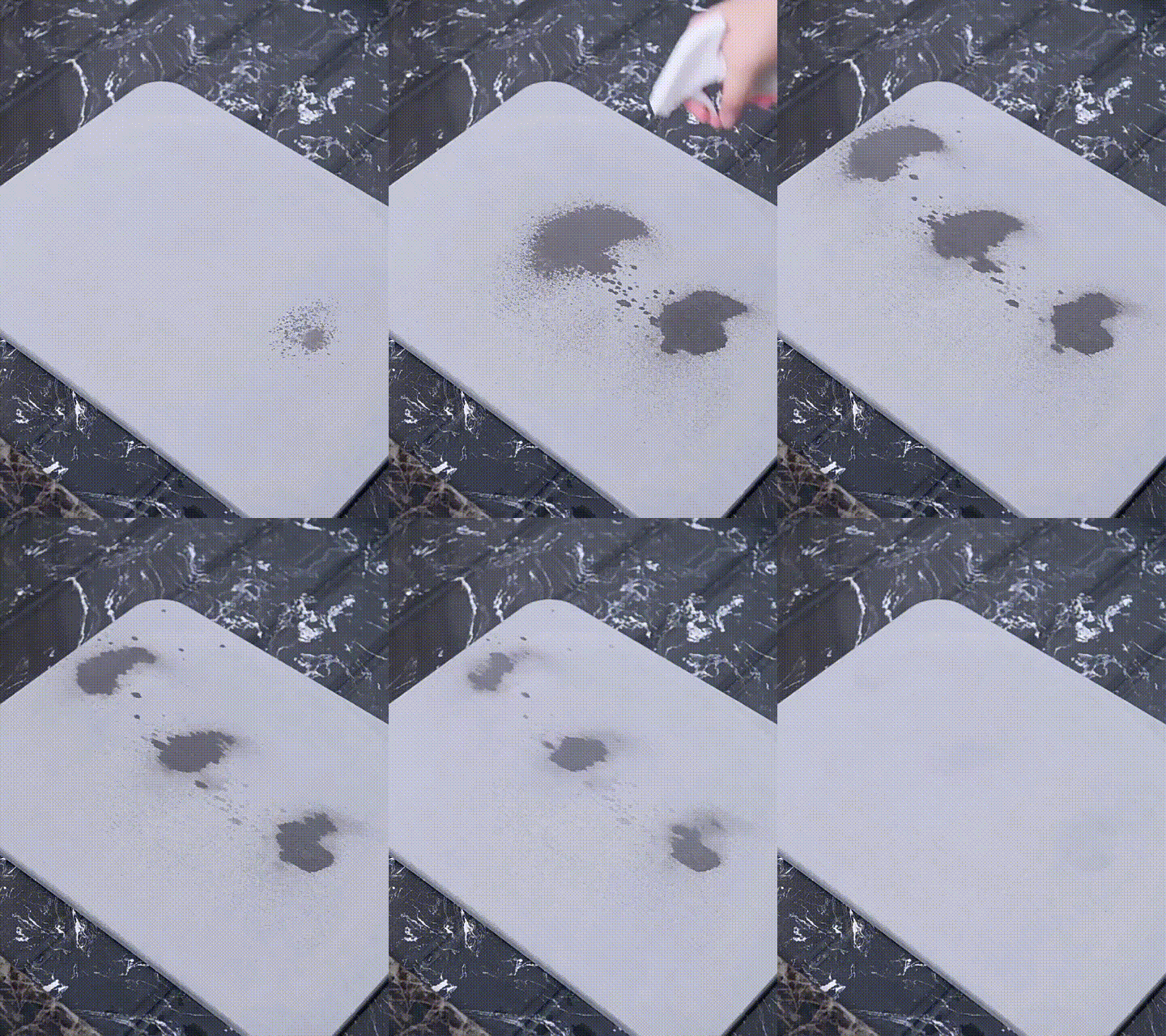
Why Stone Drying Mats Are Disrupting the Kitchen Accessories Market


Whether you are sourcing for retail or wholesale, browse stone dish drying rack options to see customization options and factory-direct pricing.
Traditional fabric and silicone drying mats have long dominated kitchen countertops, but the stone drying mat has become a popular alternative. Made from compressed diatomite—a naturally absorbent sedimentary mineral—these mats absorb surface moisture within seconds rather than trapping it between fibers. For kitchenware brands, hospitality suppliers, and OEM importers, understanding this product shift is no longer optional. The complete dish drying mat guide explains the underlying material science, but here we focus on what B2B buyers need to know before sourcing stone drying mats for their product lines.
What Makes a Stone Drying Mat Different from Fabric Mats
The core difference lies in how each material handles water. Fabric drying mats absorb moisture into their fibers and release it slowly through evaporation, which can take hours. In humid environments, this slow drying leaves surfaces damp. A diatomite stone drying mat, on the other hand, pulls water into its porous microstructure and releases it through capillary action and evaporation, so the surface returns to a dry state quickly.
Performance Comparison Table
| Feature | Stone Drying Mat (Diatomite) | Fabric Drying Mat | Silicone Drying Mat |
|---|---|---|---|
| Surface drying | Within seconds | Hours | Hours (manual wiping) |
| Surface dampness | Low — dries quickly | High — fibers trap moisture | Moderate — surface only |
| Service life | Depends on thickness, usage, and maintenance | Short | Moderate |
| Thickness | Standard | Varies | Thin |
| Relative Capacity | High | Moderate | None (repels water) |
| Weight | Heavier | Light | Light |
For wholesale buyers, these performance advantages translate directly into consumer satisfaction, repeat purchases, and stronger brand positioning. You can explore more kitchen and bathroom application scenarios where diatomite products outperform conventional alternatives.
Key Product Specifications B2B Buyers Must Verify
When sourcing stone drying mats for commercial distribution, specifications matter more than marketing claims. Here are the critical parameters to confirm with your supplier:
Material Composition and Hardness
Quality diatomite drying mats should use high-purity diatomite with verified composition. Hardness should balance durability with absorbency. Mats that feel excessively brittle may use lower-grade fillers; those that feel too soft may lack proper compression during manufacturing.
Dimensions and Thickness Options
Standard sizes for the wholesale market include:
- Small: 300 × 200 × 6 mm (for single cups and small items)
- Medium: 400 × 300 × 9 mm (standard kitchen drying area)
- Large: 500 × 350 × 9 mm (family-size kitchen countertop)
- Custom sizes: Available with OEM orders (MOQ 50 pcs)
Thickness directly affects both drying speed and structural integrity. Very thin mats may crack under heavy dishes; very thick mats may slow evaporation.
Absorption Rate and Certification
Request absorption test reports from your manufacturer. A genuine diatomite stone drying mat should absorb surface water quickly and the surface should return to a dry state within a few minutes. An factory with SGS-tested products adds credibility when you market the product to your own retail or hospitality clients.
OEM Customization Options for Stone Drying Mats
For detailed specifications and wholesale pricing, our dish drying mat.
The stone drying mat category offers more customization flexibility than most kitchen accessories. Because diatomite can be shaped, colored, and surface-treated during the compression process, OEM buyers can create differentiated products without significant tooling costs.
Surface Patterns and Branding
Common customization options include:
- Logo embossing: Press your brand logo directly into the mat surface during molding (MOQ 50 pcs)
- Color options: Natural white, grey, charcoal, terracotta, and custom Pantone-matched colors
- Surface textures: Smooth, crosshatch, wave pattern, or custom geometric designs
- Edge profiles: Straight-cut, rounded, or beveled edges
These options allow importers and retailers to create a distinct product line that stands apart from generic white diatomite mats sold on Amazon and AliExpress. For more OEM and customization details, see our dish drying mat product page.
Packaging and Logistics for Wholesale Orders
Stone drying mats require careful packaging to prevent cracking during transit. B2B buyers should discuss packaging specifications early in the sourcing process:
Standard Packaging Configurations
- Single-unit retail box: EPE foam wrap + corrugated box (for direct retail distribution)
- Bulk pack (50 units): Stacked with foam separators in a reinforced carton (for warehouse distribution)
- Custom retail packaging: Printed gift box with branded insert card (MOQ 50 pcs)
Shipping weight and container loading depend on mat size and packaging — confirm exact figures with your supplier. FOB pricing depends on size, customization level, and order volume — request current quotations before budgeting.
How Stone Drying Mats Complement Your Diatomite Product Line
For brands already selling diatomite stone bath mats, the stone drying mat is a natural product line extension. Both products share the same core material and value proposition—rapid moisture absorption, reduced surface dampness, and sustainable composition. Cross-selling opportunities include:
- Bathroom + kitchen bundle sets (bath mat + drying mat + coasters)
- Hospitality amenity packages (hotel bathroom mat + kitchen drying mat)
- Corporate gift sets (coasters + drying mat in branded packaging)
For a deeper understanding of how diatomite performs in bathroom applications, see our related article on stone dish drying mats for kitchenware importers.
Frequently Asked Questions
How long does a stone drying mat last?
Service life depends on thickness, usage intensity, and maintenance. Regular light sanding with an abrasive sheet restores surface porosity when absorption slows. Avoid dropping heavy objects or exposing the mat to prolonged standing water.
Can stone drying mats handle hot dishes?
Diatomite tolerates warm dishes well, making it suitable for placing warm pots, pans, and freshly washed glassware. However, avoid placing cookware directly from a stovetop on the mat.
What is the MOQ for custom stone drying mats?
MOQ starts at 50 pcs for OEM standard designs. Contact the manufacturer directly for volume pricing and custom requirements.
Are stone drying mats safe for food contact?
Ask your supplier whether food-contact documentation for your target market is available. Always request certification copies from your supplier before marketing the product for direct food placement.
How do I clean and maintain a stone drying mat?
Rinse with warm water and wipe with a soft cloth. For deeper cleaning, use the included sanding sheet to lightly sand the surface every 2–3 months. Avoid abrasive brushes, chemical cleaners, and prolonged soaking. Detailed maintenance instructions are included with each wholesale order.
Start Your Stone Drying Mat Wholesale Inquiry
Whether you are a kitchenware brand expanding into diatomite products, a hospitality supplier upgrading amenity quality, or an OEM importer building a private-label line, the stone drying mat category offers a growing product opportunity. Sheenyoo provides direct factory sourcing, OEM customization, and production with SGS-tested products. Request wholesale pricing or contact our sourcing team to discuss your specifications, MOQ requirements, and delivery timeline.